The Power of The Buddy Statement
Lesson: The Power of the Buddy Statement
![[HERO] Lesson: The Power of the Buddy Statement](https://cdn.marblism.com/otaT0Ftls6B.webp "[HERO] Lesson: The Power of the Buddy Statement")
You know what the VA hates? Gaps.
Missing records. Undocumented incidents. Combat injuries that never made it into your file because you were too busy staying alive to fill out paperwork.
And you know what fills those gaps better than anything? A buddy statement.
This isn't some "nice-to-have" document. It's evidence. Hard evidence. And if you're serious about winning your claim, you need to understand how to use it.
Let's break it down.
What Is a Buddy Statement?
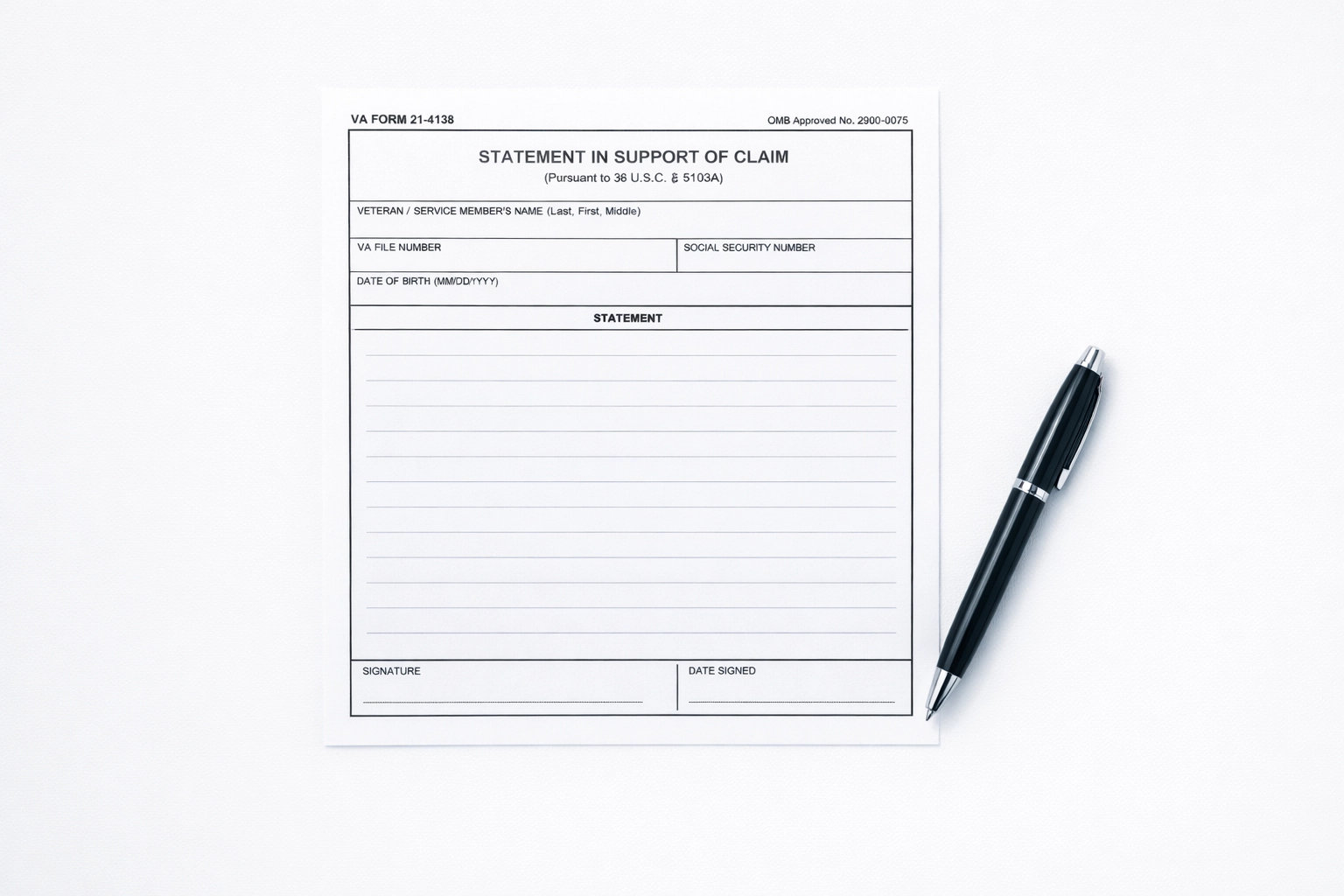
Officially, it's called a Statement in Support of a Claim (VA Form 21-4138). But nobody calls it that. We call it a buddy statement because that's what it is, someone in your corner backing up your story.
It's a written account from someone who either:
Witnessed the injury or event that caused your disability
Saw how your condition affects your daily life
Could be a spouse. A battle buddy. A roommate. Hell, it could even be you writing about your own experience. The VA accepts lay statements, meaning you don't need a medical degree to provide credible evidence about what you've lived through.
Why This Document Is a Game-Changer
Here's the truth: Medical records don't tell the whole story.
Your VA exam? That's a snapshot. Thirty minutes with a stranger who's never seen you on your worst day. Your service records? They document what got reported: not everything that happened.
Buddy statements fill the gaps. They tell the human side of your claim.
They answer questions like:
"Did this injury actually happen in service?" (Service-connection)
"How severe is this disability right now?" (Current impact)
"What does this look like in real life?" (Daily function)
For conditions like PTSD, TBI, or MST: where official records might be thin or nonexistent: a buddy statement can be the difference between a denial and a rating.
The VA knows this too. In fact, they've ruled that lay evidence can be competent and sufficient to establish a medical condition when it's backed up by a credible buddy statement. That's not just "helpful." That's legally powerful.
Who Should Write Your Buddy Statement?
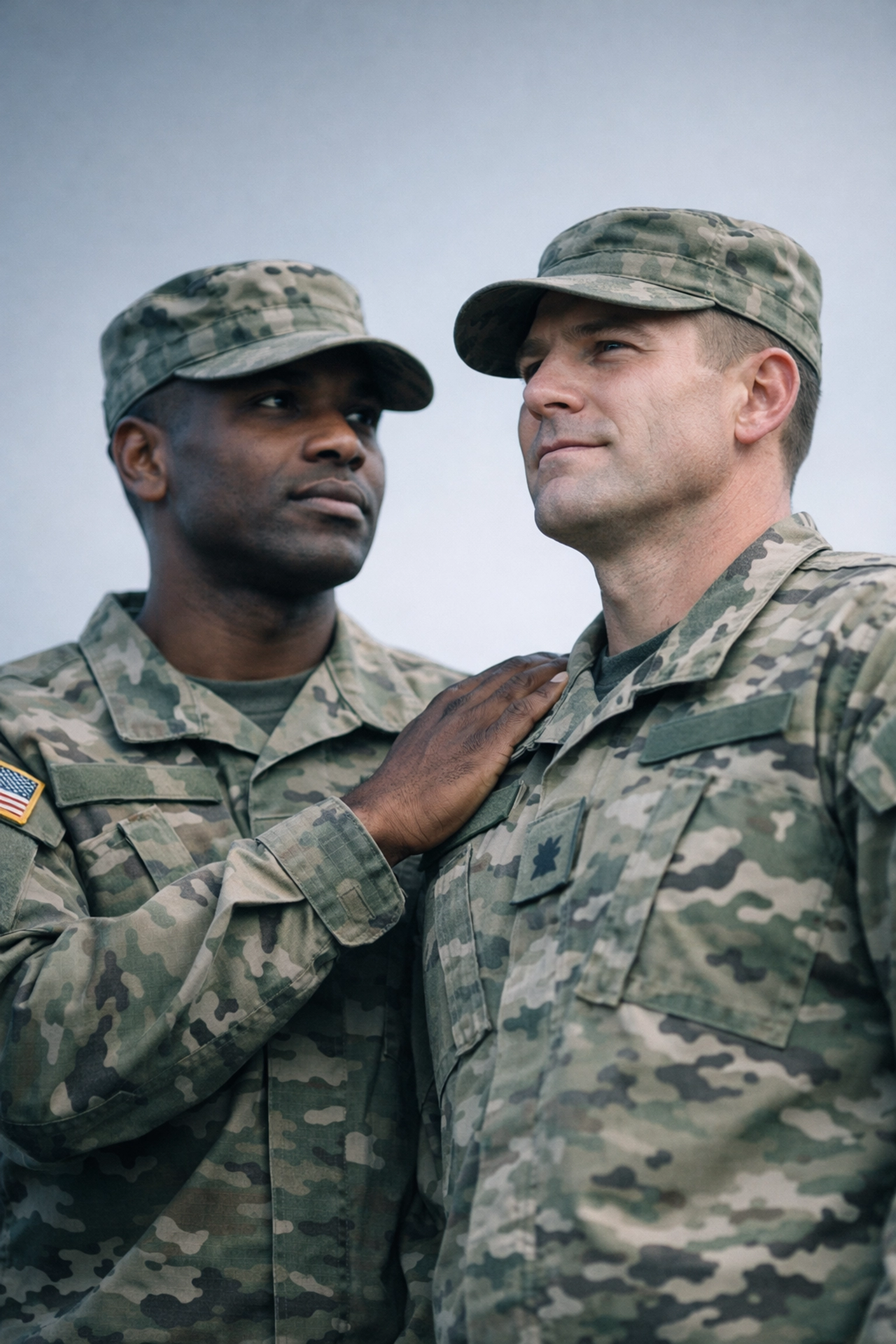
The best person to write your statement is someone who knows what they're talking about and can stick to the facts.
Here's the breakdown:
For Service-Connection (Proving it happened in service):
Battle buddies who were there when the injury occurred
Unit members who witnessed the incident
Anyone who served with you and can corroborate the event
For Current Impact (Proving how it affects you now):
Spouses or long-term partners who see the day-to-day struggle
Close friends who've watched your condition worsen
Roommates who witness symptoms firsthand
Even you: writing about your own experience in detail
You don't need a doctor's approval. You don't need a witness with a fancy title. You need someone who was there and can tell the truth.

The 3 Pillars of a Winning Buddy Statement
Not all buddy statements are created equal. Some get ignored. Some win claims.
The difference? Structure.
Here are the three pillars every strong buddy statement needs:
1. Chronology: When Did It Start?
The VA needs a timeline. They want to know:
When did the injury or symptoms begin?
How long have you witnessed this condition?
Has it gotten worse over time?
Example:
"I served with John in Afghanistan from 2010 to 2011. In March 2011, our convoy hit an IED outside Kandahar. John was in the lead vehicle and took the brunt of the blast. I saw him immediately after: dazed, bleeding from his ears, unable to stand without help."
See that? Specific. Dated. Clear.
2. Severity: How Does It Impact Life Today?
This is where you get real. Don't sugarcoat it. Don't downplay it.
The VA needs to understand how this disability affects daily life, work, and relationships. Be specific about behaviors, struggles, and changes.
Example:
"Since that deployment, John's memory has been terrible. He forgets conversations we had the same day. He misses appointments. Last month, he got lost driving to the grocery store he's been going to for five years. He gets frustrated and angry when he can't remember things, which has put a strain on his marriage."
That's not medical jargon. That's real life. That's what matters.
3. Credibility: Stick to What You Observed
Don't diagnose. Don't speculate. Don't exaggerate.
Just tell the truth about what you saw, heard, or experienced.
What works:
"I noticed he started drinking more after we got back."
"He avoids crowded places and won't go to family gatherings anymore."
"I've seen him wake up screaming from nightmares at least twice a week."
What doesn't work:
"I think he has PTSD." (That's a diagnosis: leave that to the doctors.)
"He's the worst case I've ever seen." (Vague and unhelpful.)
"This is all the VA's fault." (Irrelevant and unprofessional.)
Stick to the facts. Let the evidence speak for itself.

Pro Tips for Writing (or Requesting) a Buddy Statement
Keep it concise. One to two pages is the sweet spot. Longer isn't better: it's just harder for the VA to process.
Use the right form. VA Form 21-4138 is the standard. You can download it from our VA Forms page. But honestly? A typed letter on plain paper works just as well as long as it's signed and dated.
Be specific about incidents. Don't say "he's always anxious." Say "On July 4th, 2024, fireworks went off during a neighborhood BBQ and he hit the ground and started shaking."
Date and sign everything. An unsigned statement is worthless. Make sure your buddy includes their full name, contact info, and relationship to you.
Don't wait until the last minute. Give your buddy time to write a thoughtful, detailed account. A rushed statement shows.
Your Next Move: The Action Item
Here's your assignment before moving to the next lesson:
Identify at least 2 people who can write buddy statements for you.
Think about:
Who was there when the injury happened?
Who's seen your symptoms get worse over time?
Who knows how this condition affects your daily life?
Write down their names. Reach out. Explain what you need (you can even share this lesson with them).
Don't overthink it. Just get the names down and start the conversation.
The Bottom Line
Buddy statements aren't optional. They're essential.
They humanize your claim. They fill the gaps the VA won't find on their own. And when written correctly, they carry serious weight in the decision-making process.
You've already done the hard part: serving your country, surviving the injury, living with the disability. Now it's time to build the evidence that proves it.
Get those buddy statements lined up. Move forward. And let's win this thing.
Next up: Lesson 2 in Stage 2 (Prepare): we're diving into how to audit your medical evidence and identify the gaps the VA will use to deny your claim.
You're building a case file that's impossible to ignore. Let's keep going.
